
How to Reduce International Freight Costs Without Delaying Cargo
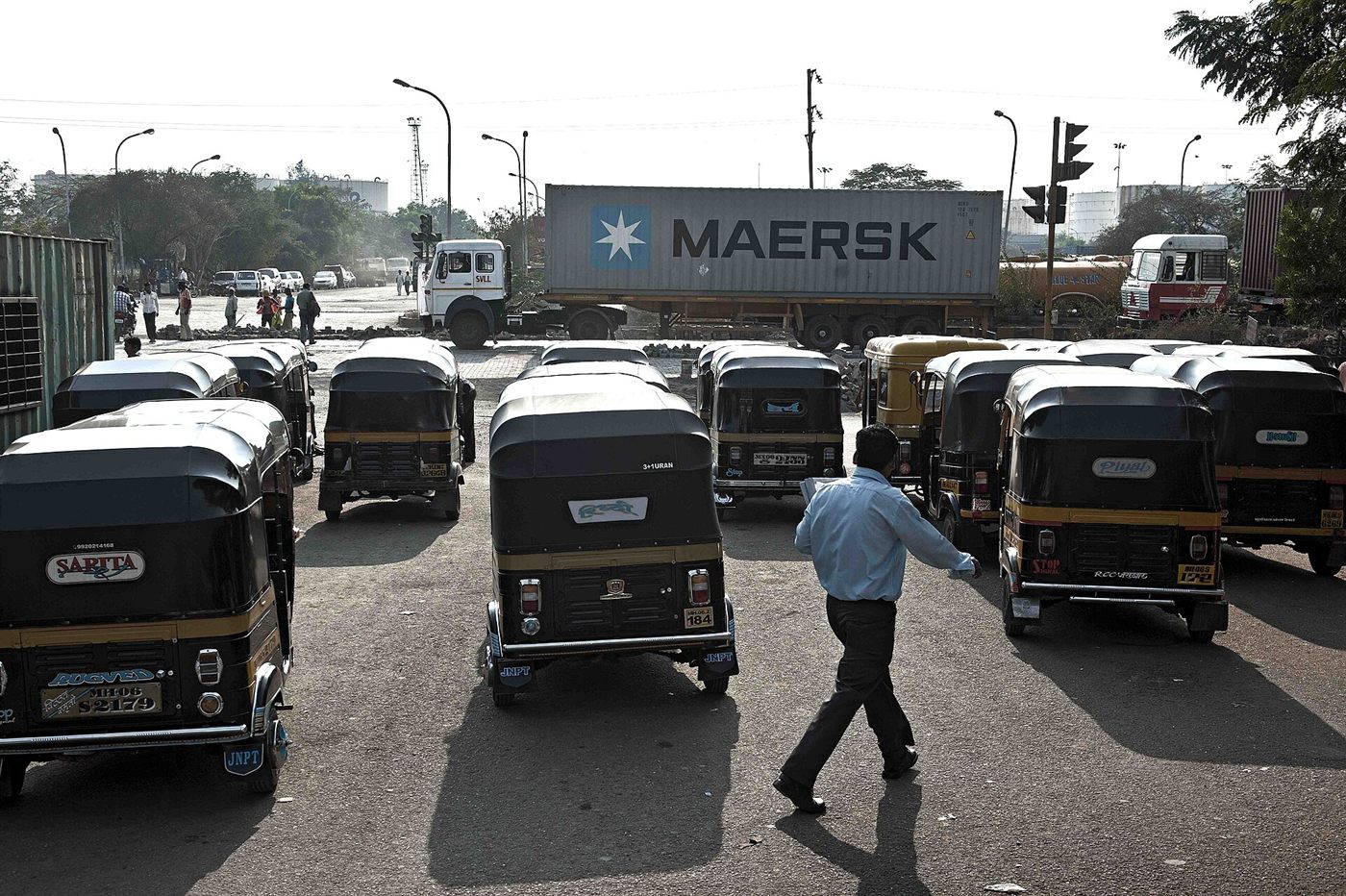
Image: Maersk Line via Wikimedia Commons, licensed under CC BY-SA 2.0.
Importers who complain that freight is expensive are usually looking at the wrong line on the invoice. Freight is a variable cost you can shop around. Demurrage, detention, examination handling, differential duty and the working capital cost of inventory sitting in a port are all far larger, and most of them are avoidable through planning rather than negotiation.
1. Consolidate before you book
Shipping a container half empty is the most common avoidable cost. If your suppliers in one country can deliver to a groupage warehouse, consolidate there and ship a full container. Consolidation charges per unit of cargo are far lower than the demurrage you pay for occupying a container you have not filled. Where volume is genuinely small, move to LCL and accept a destination handling charge in exchange for not paying for empty space.
2. Choose direct routing over cheap transhipment
A transhipped booking is often cheaper by a few hundred dollars and costs an extra week to ten days. For a business running thin inventory, that transit time is itself an expensive working capital cost, and every transshipment adds a handling point where cargo can be delayed. Ask for a direct and a transhipped quote, then compare total landed cost rather than the ocean freight line alone.
3. Plan the port of arrival around capacity
Arriving at the busiest terminal in the busiest week is the most reliable way to generate demurrage. Terminals publish schedules and forwarders know which vessels are likely to be rolled. If your supplier controls the sailing date, prefer a sailing that lands mid-week when the yard is quieter and labour is more available.
4. Get the duty calculation right the first time
Differential duty arising from a wrong HS code or a missed exemption does not cost only the difference. It carries interest and frequently a penalty, and the consignment is held while the query is resolved. Having classification confirmed before the first shipment of a new product line is one of the highest-return cost controls available to an importer.
5. Keep documents ahead of the container
Every hour a container waits for a document is an hour of storage charged. Sending the complete set before the vessel departs origin allows the declaration to be prepared and scrutiny to run in parallel with discharge. This single discipline typically removes several days from clearance time at no cost at all.
6. Collect promptly and get the container out
Detention begins the moment a cleared container should have left the terminal. Arrange bonded trucking on the day of release, confirm any required out-gate appointment in advance, and check the demurrage and detention free days that apply to your bill of lading. Many terminals allow a fortnight or more free, which is generous if you use it and expensive if you do not.
7. Review the account, not just the rate
Ask for a landed cost breakdown showing freight, origin charges, destination handling, customs duty, demurrage and detention, and the charges levied by the terminal. Most surprise bills trace back to one of the last three. A forwarder who presents the full breakdown is a forwarder whose numbers you can verify.
Harmony Logistics provides an itemised landed cost on every quotation, with origin and destination charges shown separately. See our full range of logistics and customs clearance services.
Need Help With Your Shipment?
Talk to our customs and freight forwarding team in Navi Mumbai.