The Customs Clearance Process at Jawaharlal Nehru Port, Nhava Sheva
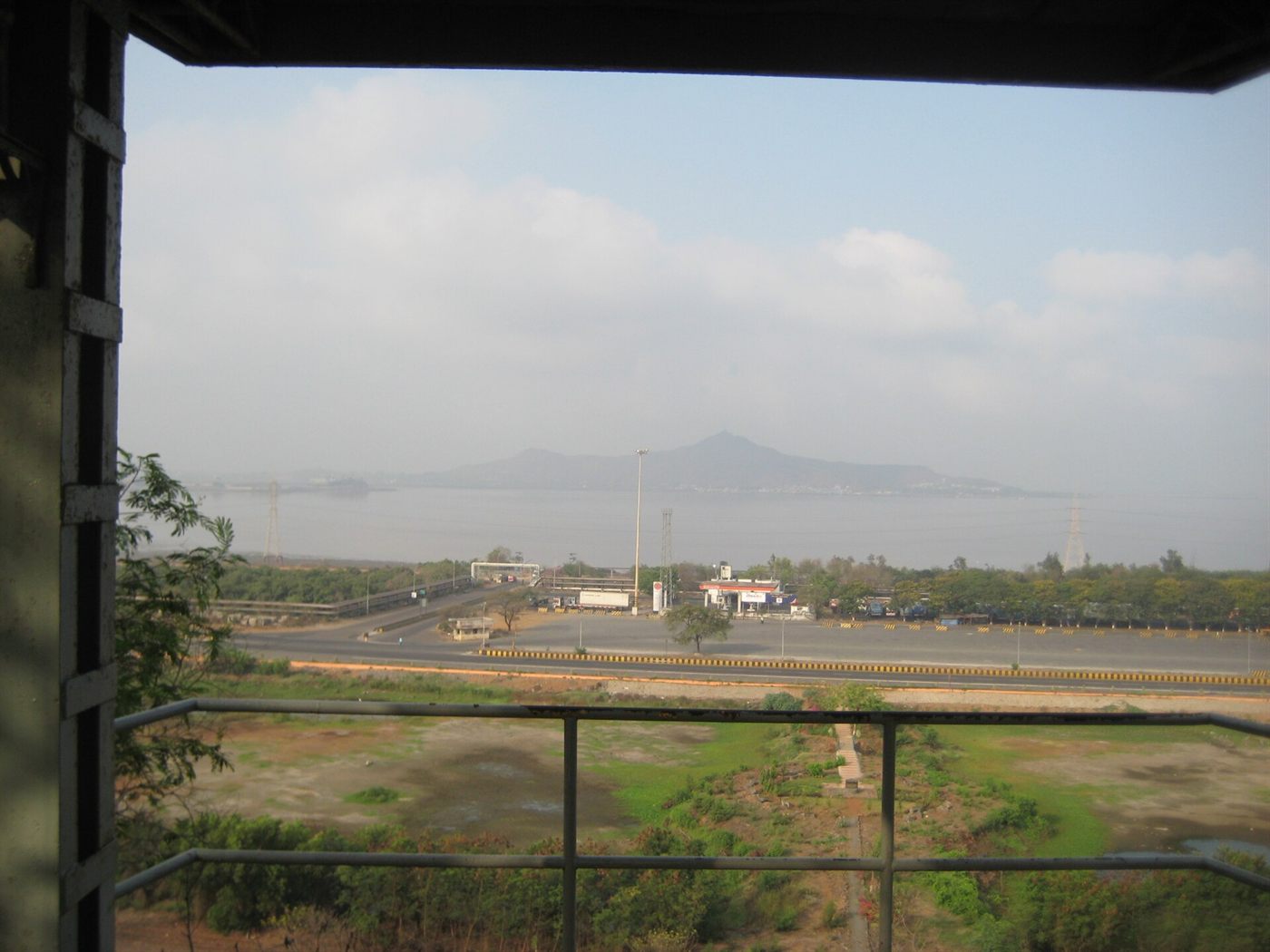
Image: Raman Patel via Wikimedia Commons, licensed under CC BY 3.0.
Jawaharlal Nehru Port Authority at Nhava Sheva is the single largest container port in India by volume, and effectively serves as the western gateway for national trade. When a container lands there, clearance follows a fixed sequence governed by the Customs Act, 1962 and the Customs Tariff Act, 1975. Knowing that sequence is what separates a smooth release from an expensive delay.
Step 1: Arrival intimation and container availability
The shipping line or its agent lodges the vessel arrival details, and the container is moved from the ship to the terminal yard. Importers are expected to give advance intimation of consignment arrival through the Indian Customs Electronic Gateway, which allows the department to pre-plan examination and allocates labour and inspection capacity. Miss this window and the container sits in the yard accruing demurrage while your entry has not even been filed.
Step 2: Document collection and HS classification
Your broker assembles the commercial set: the bill of lading, commercial invoice, packing list, certificate of origin, and any sector-specific permits or licences. The most consequential of these is the HS code. The first six digits are international, and the next two are Indian additions used for tariff purposes and exemption notifications. An incorrect classification can trigger a show-cause notice, a demand for differential duty with interest, and a penalty.
Step 3: Filing the Bill of Entry
The Bill of Entry for Consumption is filed electronically through the customs system, declaring description, quantity, value, HS code, and applicable rate of Basic Customs Duty. Concessional rates notified against the tariff must be claimed with the supporting certificate, otherwise the entry is assessed at the standard rate.
Step 4: Examination and assessment
Most consignments are cleared under the green channel, meaning documentary scrutiny only. A percentage are routed to the yellow channel for physical examination, and a smaller number to the red channel for intensive checking. The bill of entry is then assessed and a demand notice is generated for Basic Customs Duty, Integrated GST, Social Welfare Surcharge and any other applicable levy. Total liability is not simply the quoted duty rate; IGST at 18% on the assessable value is usually the largest single component on most commercial imports.
Step 5: Duty payment and release order
Duty is paid electronically, the examination report is uploaded, and a release order is generated. Only after this sequence is complete can the container be de-stuffed and the goods moved out of the bonded area, subject to a separate customs clearance from the inland carrier for road transit.
Where the time actually goes
In our experience the delays that matter are rarely caused by the department. They come from incomplete documents, a wrong HS code, a missing duty exemption certificate, or a consignment whose declared value does not match the supplier’s invoice. Each of these sends the file back into a query cycle that costs a week or more.
Harmony Logistics handles customs clearance in Navi Mumbai with the port and broker filing handled in-house, so a query on your entry is answered by the same team that prepared it.
Need Help With Your Shipment?
Talk to our customs and freight forwarding team in Navi Mumbai.