
FCL vs LCL Ocean Shipments: A Practical Guide for Importers
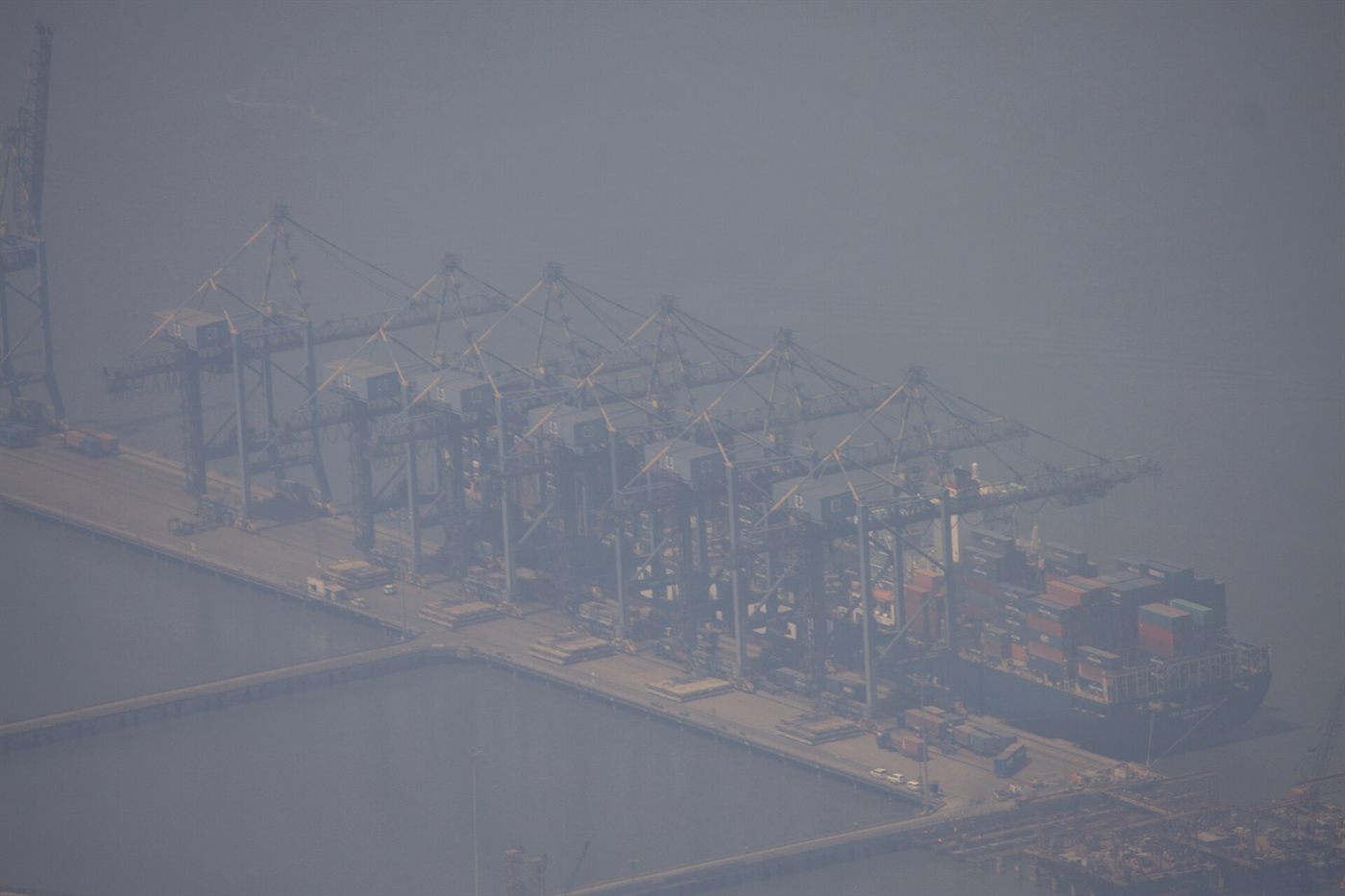
Image: Andrew Thomas via Wikimedia Commons, licensed under CC BY-SA 2.0.
Every consignment moving through Nhava Sheva is described as either a full container load or a less than container load. The distinction seems administrative, but it changes the number of parties handling your goods, and therefore the number of places things can go wrong.
What FCL and LCL actually mean
An FCL is a consignment that occupies a substantial share of a container, typically twenty feet or more of the cube. Once the container is stuffed and sealed at origin, it is moved as a single sealed unit from the origin terminal to the destination terminal. Nobody opens it in between. A twenty-foot container holds roughly 28 cubic metres and a forty-foot roughly 67 cubic metres.
An LCL is a consignment that does not fill a container. Your goods are consolidated at a groupage warehouse in the country of origin with cargo belonging to other shippers, loaded into a shared container, then de-consolidated at destination and delivered individually. The consolidation and de-consolidation steps are where LCL cargo picks up delay and damage risk.
Cost comparison in practice
LCL attracts both freight and a destination handling charge, often called a destination THC or CFS fee, because your consignment must be unloaded from the shared container at a container freight station rather than released directly. For a genuinely small consignment this is still far cheaper than a whole container. For a consignment occupying 70% of a container, you are paying LCL charges for almost the same space, and FCL is usually cheaper. The practical crossover sits around a half container.
Handling, damage and risk
FCL is the lower-risk model. The goods are secured and sealed once, and they travel with a single chain of custody. LCL cargo is handled at least four additional times: consolidation at origin, de-consolidation at destination, sorting, and final delivery. Each additional handling is an additional opportunity for crushing, moisture ingress and misdelivery, and for long-haul LCL in particular, the number of transhipment points matters enormously.
Transhipment and routing
Direct services from India to Europe, North America and the Gulf avoid transhipment, which is the single largest driver of both FCL and LCL transit time variance. A transhipped LCL consignment can be broken out and reloaded at an intermediate hub, adding a week and increasing damage exposure. Ask any forwarder to state whether your cargo moves direct or transhipped, and to whom.
Which should you choose
Choose FCL when you have enough goods to fill at least half a container and your goods are robust, palletised, and not unusually sensitive. Choose LCL when your consignment is genuinely small, your goods are high value per cubic metre so you want minimal handling, or your supplier cannot guarantee volume. Never choose LCL purely to save a small amount on a near-full load.
Two details that catch importers out
First, the demurrage and detention free days on your bill of lading are not uniform across carriers or terminals, and they are the difference between a free week and a chargeable one. Ask for them in writing before booking. Second, a nominated or free-time container still has to be returned on time, and the penalty for late return is separate from port detention. Where you cannot guarantee the return date, avoid free time and pay for the flexibility deliberately.
Harmony Logistics books both FCL and LCL through Mumbai and Nhava Sheva with direct and transhipped routing quoted separately. See our ocean freight forwarding services in Mumbai.
Need Help With Your Shipment?
Talk to our customs and freight forwarding team in Navi Mumbai.