
Documents Required for Import Customs Clearance in India
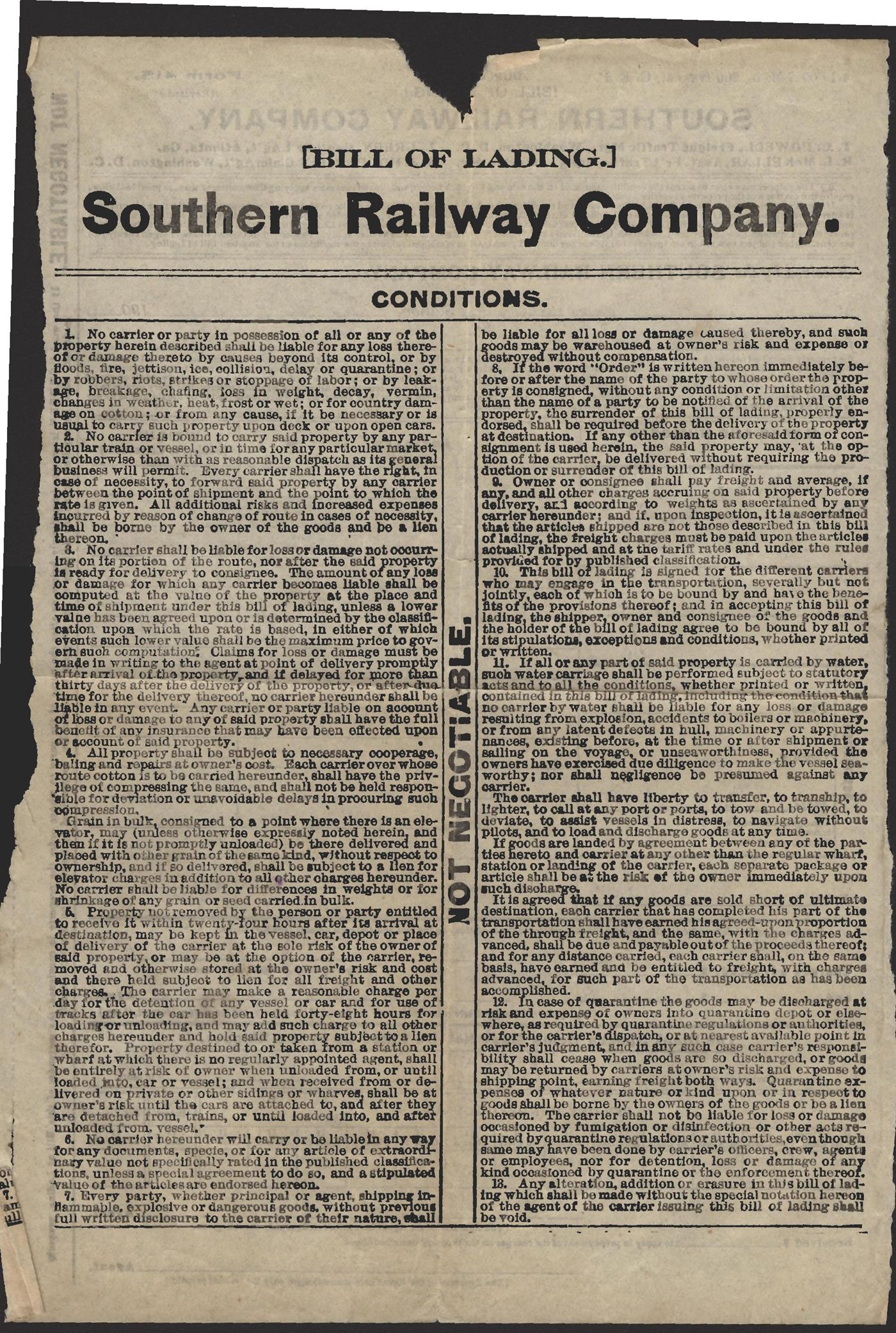
Image: Scanned by SCEhardt via Wikimedia Commons, licensed under Public domain.
Import documentation looks deceptively simple on paper, but every document serves a specific legal purpose and the department cross-references them against each other. An inconsistency between two documents is treated as a red flag, not a clerical error. This checklist covers the standard commercial consignment; regulated categories such as food, drugs, chemicals, and electronics carry additional licences.
The core commercial set
Bill of Lading
The transport document and, in practice, your title to the goods. For sea cargo it is the release instruction the shipping line needs before it will hand over the container. The description of goods and the number of packages stated on the bill of lading must agree with the commercial invoice.
Commercial Invoice
This drives the entire duty calculation. It must show the transaction value, the description and quantity of goods, the currency, and the country of origin. Customs assesses transaction value, so the price on the invoice is the basis for duty and for comparison against the values declared by other importers of the same goods. Under-invoicing to reduce duty is treated as a serious offence.
Packing List
Itemised detail of packing: number of cartons, net and gross weight, dimensions, and container numbers. Mismatches between the packing list gross weight and the actual weight found at examination are a common cause of unnecessary opening and delays.
Certificate of Origin
Required to claim preferential tariff treatment under a trade agreement, and frequently required by the importer for input tax credit. It also matters for deciding whether a licence or permit applies to the product in its destination market.
Documents that change duty or eligibility
Concessional or exempt Basic Customs Duty rates are notified against specific tariff entries, and each carries conditions: a certificate from the relevant authority, a declaration by the importer, or an undertaking. Where a preference is claimed but the supporting proof is absent, the entry is assessed at the standard rate and recovering the difference later is slow. For manufacturing importers, the advance authorisation and EPCG schemes bring their own separate documentation and record-keeping obligations.
Re-exported or returned goods, and goods being moved under a transit or transhipment procedure, are documented differently from fresh imports. Misdescribing a re-export as an import attracts penalty.
Getting the paperwork right before the container lands
Send the complete set to your broker before arrival, not after. That single change allows document scrutiny to run in parallel with physical handling, which in a congested port is frequently the difference between a same-week release and a two-week wait. If your supplier is sending documents late, insist on an electronic copy at the point of despatch.
Records worth keeping after clearance
Retain the full cleared file for every consignment, not just the duty receipt. Customs can call for evidence of valuation, classification and permit position well after the goods have been released, and an importer who cannot produce the original invoice and challan has no way to answer. Keeping the set together by consignee and HS code also makes the next shipment of the same product faster, because the classification question is already settled on file.
Our customs clearance agents in Mumbai review document sets against the HS code before filing, and flag mismatches while they are still cheap to fix.
Need Help With Your Shipment?
Talk to our customs and freight forwarding team in Navi Mumbai.