Duty Drawback and Export Incentives for Indian Exporters
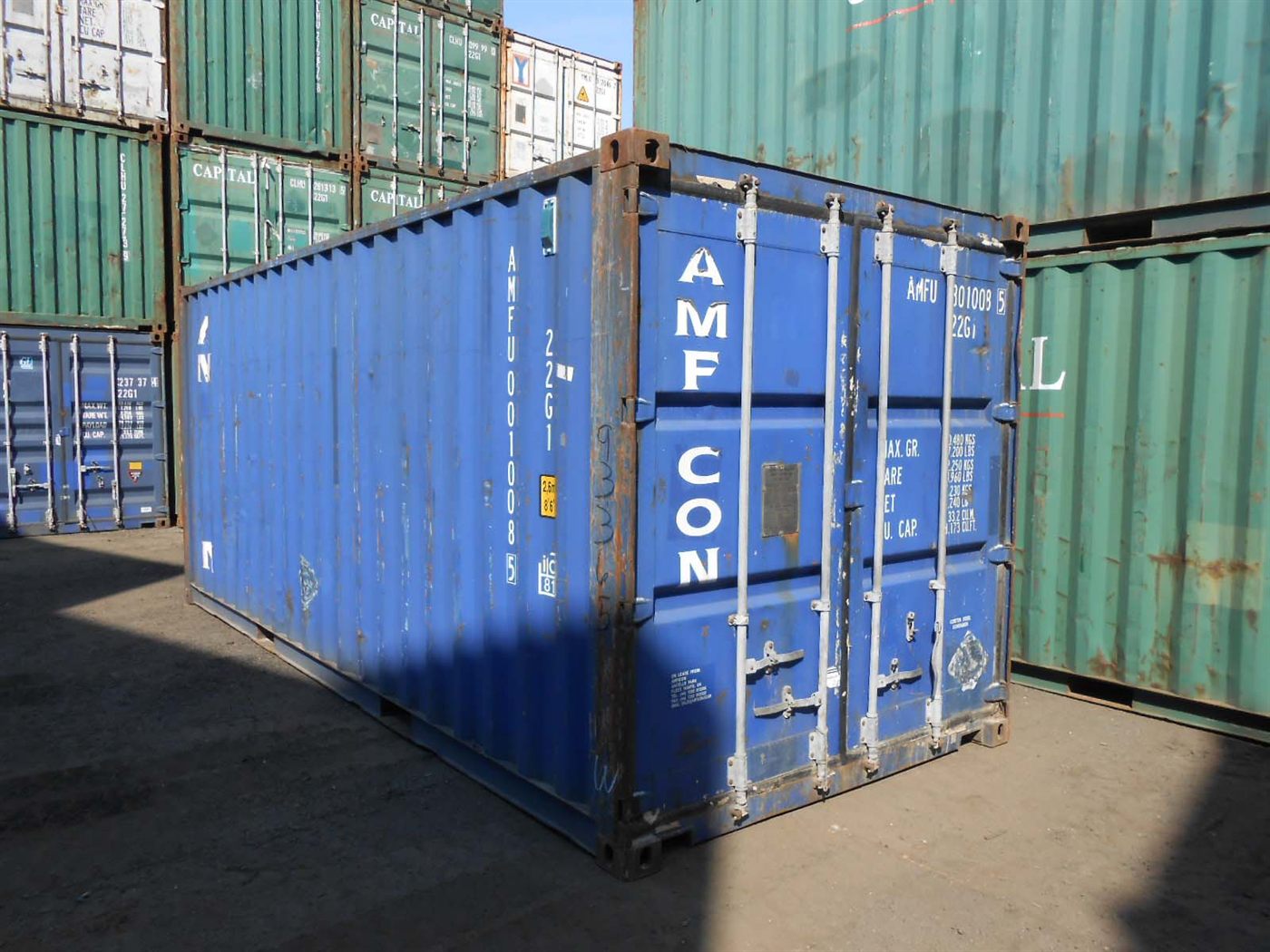
Image: IPLManagement via Wikimedia Commons, licensed under CC BY-SA 4.0.
Indian exporters can recover a substantial part of the duty they paid on imported inputs. The mechanisms are broadly sound, but they are documentation-driven, and by the time an exporter realises a claim is at risk, the evidence is usually three years old and spread across a forwarding agent’s files.
How drawback works
The underlying principle is simple. If you import a component, pay Basic Customs Duty and Integrated GST on it, and then export a finished product containing that component, you should not be economically penalised twice for the same government revenue. Duty drawback refunds that duty. Two forms are available: drawback on duty actually paid, where the exporter can evidence precisely what was paid on the specific inputs consumed, and drawback on a deemed basis, where a fixed notified rate is applied per unit of export without tracing individual inputs.
Both are legitimate, and for most exporters the deemed basis is far simpler to administer because it removes the need to match import invoices to export invoices line by line.
RoDTEP and the shift from MEIS
Since 2021 the Remission of Duties and Taxes on Exported Products scheme has replaced the earlier market access incentive scheme for most exporters. Under RoDTEP, the scrip value is computed as a percentage of the FOB value of the export, and the scrip can be used to pay customs duties on future imports or, in many cases, repatriated as a rebate against GST. Exporters still structured around the older scrip regime should have their scrip holdings and historic eligibility reviewed, because the treatment of past scrips and the valuation of exports are both areas where assumptions age badly.
What exporters must get right
Preserve import evidence
Retain the import bill of entry, the duty payment challan and the supplier invoices for every input used in manufacture. Drawers are entitled to see the duty actually paid, and a broker who cannot produce the challan leaves no fallback position.
Match export declarations accurately
Export declarations must describe the goods and the rate of drawback correctly. A mismatch between the export declaration and the shipping bill is one of the most frequent reasons a drawback claim is deferred.
Calendar the deadlines
Drawback applications have time limits, and an application filed late loses the claim entirely. Track those dates on a compliance calendar rather than relying on memory.
Use the correct procedure codes
Exporters filing under self-policing or through a customs broker must follow the correct procedure, and small exporters generally need a registration and a specified customs procedure. Getting this wrong on the first shipment can invalidate the entire claim chain.
Where a freight forwarder helps
A forwarder who handles both the import and the export leg can hold a single reconciled set of records, which is exactly what the drawback rules require. That continuity is the practical advantage of using one party for both directions rather than splitting the work between two providers who each hold half the evidence.
Harmony Logistics handles import clearance, export documentation and freight booking under one file, which is the simplest route to keeping a drawback position defensible. See our ocean freight services in Navi Mumbai.
Need Help With Your Shipment?
Talk to our customs and freight forwarding team in Navi Mumbai.