
Common Customs Rejection Reasons and How to Avoid Them
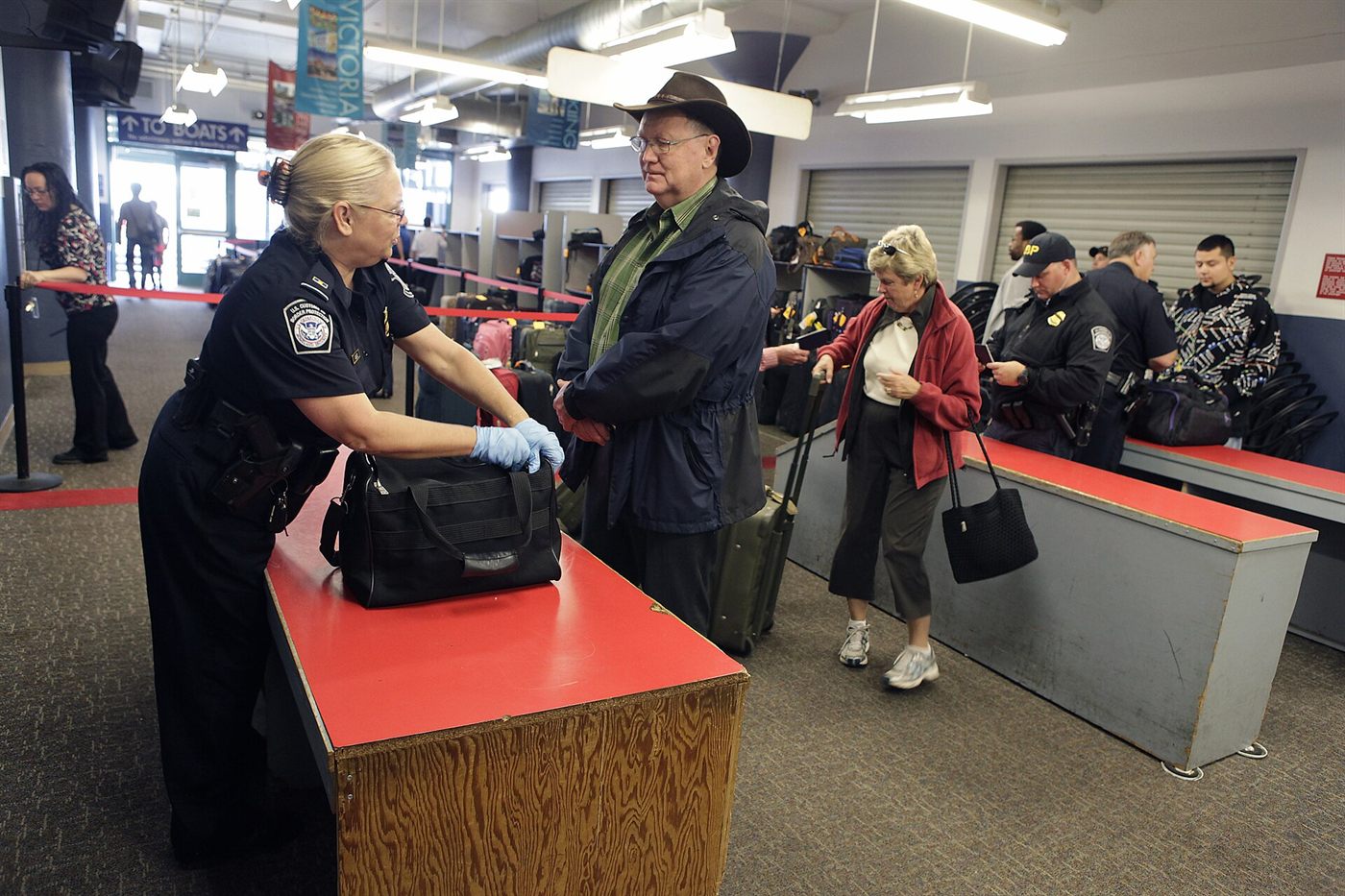
Image: CBP Photography via Wikimedia Commons, licensed under Public domain.
When a consignment is held at customs, the underlying reason is almost always one of a small number of recurring issues. They are rarely exotic, and they are nearly always visible in the documents before the goods were even packed. Understanding the common causes is the fastest route to avoiding them.
1. Incorrect HS classification
HS classification errors are the single most common trigger for a customs query. The six-digit international code is frequently confused with the eight-digit Indian tariff code, and where a product has been reclassified by a customs notification, an importer relying on an old code will be assessed at the wrong rate. The consequence is not merely payment of the difference; it is interest on the differential and, where the gap is substantial, a penalty. Classification is a specialist task, and for any product with dual-use potential it should be pre-agreed with the department.
2. Under-valuation and valuation queries
Customs assesses transaction value, but it also has the power to reject that value if the price appears low, if round numbers recur, or if the value is inconsistent with what other importers of the same goods have declared. A unit price identical on every invoice across two years invites scrutiny. Valuation queries can take weeks to resolve, and the consignment is held throughout.
3. Missing or expired permits
Many products require a licence or registration before import: food items, drugs and medical devices, chemicals, certain wireless and electronics equipment, firearms and forestry products. A consignment arriving without a valid permit, or with one that has lapsed, cannot be released until the position is regularised. This is entirely avoidable if the permit is checked before despatch rather than on arrival.
4. Inconsistency between documents
Package counts, weights, descriptions and values that disagree across the invoice, packing list and transport document are treated as a serious red flag rather than a clerical issue. One correction in a supplier invoice eliminates an entire category of risk at no cost.
5. Examination not closed out
A consignment cleared for examination, then released without the department recording a final assessment, will be flagged. An open physical examination is a common cause of a container being stopped on the way out of the port, and it attracts both detention and handling charges until the file is formally closed.
How to reduce holds in practice
- Pre-agree HS classification for new product lines before the first shipment
- Verify permit validity dates at the time of booking, not at the time of arrival
- Reconcile invoice, packing list and transport document before release to carrier
- Maintain a per-SKU file of classification notes and permit references
- Build in a three to five day buffer between port arrival and deadline-driven commitments
Most of these are unglamorous, and that is precisely the point. The consignments that clear without incident are the ones where the work happened weeks earlier, on paper. If your shipments are repeatedly queried, an experienced customs clearance agent in Mumbai can usually identify the recurring cause within a few files.
Need Help With Your Shipment?
Talk to our customs and freight forwarding team in Navi Mumbai.