Air Freight vs Ocean Freight: How to Choose the Right Mode
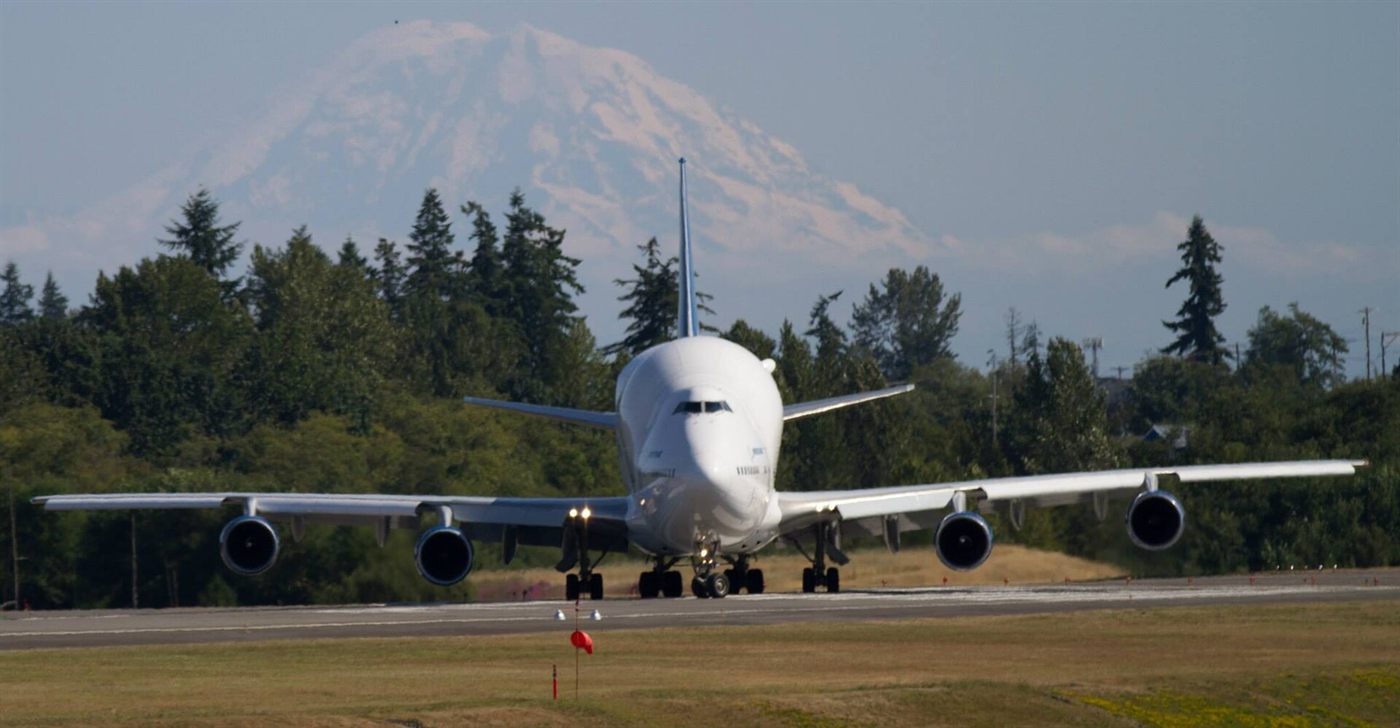
Image: Pablo Fernicola via Wikimedia Commons, licensed under CC BY 2.0.
Almost every shipper asks the same question, usually framed as which mode is cheaper. That is the wrong starting point, because freight cost is only one component of the total. The decision that matters is which mode minimises your total landed cost and operational risk.
How the two modes actually compare
Transit time
Air freight from India to Europe, North America or the Gulf typically delivers door-to-door in three to seven working days. Ocean freight to the same destinations runs eighteen to thirty-five days, and that is the schedule, not the exception. Scheduled trans-ocean strings are consistent; blank sailings and port congestion are not.
Cost structure
Air freight is priced on chargeable weight, which is the greater of actual weight and volumetric weight. Because air freight is billed per kilogram against a volume divisor, light but bulky cargo is charged as though it were heavy. Ocean freight is priced per container or per CBM, so bulky cargo is comparatively cheap. The crossover usually sits around a density of 1:5 between volume and weight; above that, sea wins decisively on cost.
Reliability
Air schedules are more predictable, but the aircraft has less capacity, so a single full flight creates a harder bottleneck. Ocean has more capacity but is exposed to port congestion, blank sailings and transhipment delays. A delayed container at sea also has a much larger cost impact, because you have committed three to five weeks of inventory pipeline.
When air freight is the right answer
Air is the correct choice for high value-to-weight goods, for components that stop a production line, for pharmaceuticals and temperature-sensitive shipments, and for any consignment where the cost of delay exceeds the freight premium. A single production line stopped for a week can cost far more than the entire air freight bill.
When ocean freight is the right answer
Sea is correct for bulky, low value-to-weight, non-urgent cargo, for manufacturing inputs where you carry safety stock anyway, and for seasonal goods where you plan inventory months in advance. For heavy machinery, furniture, steel, and packaged consumer goods, ocean freight is usually the only commercially viable option.
A practical decision rule
Calculate the value per cubic metre of your product. High-density, high-value goods such as electronics components, instruments and pharmaceuticals generally justify air. Low-density goods such as furniture, textiles and packaged food generally do not. Then add the carrying cost of the transit time: for many importers, four extra weeks at sea is a rounding error, while the freight saving is substantial.
Other factors worth weighing
Two further considerations often decide the outcome. The first is supply chain reliability. A sea booking that rolls two vessels deep can cost you four to six weeks of unplanned delay, and the cost of that is rarely visible in the freight invoice. Where your customers penalise delivery, or where you hold very little safety stock, the air premium buys insurance. The second is packaging. Air freight is charged on whichever is greater, actual weight or volumetric weight, and a supplier who has optimised for sea palletisation may be sending your cargo in cartons that cost more to fly than the goods inside them.
At Harmony Logistics we quote both modes side by side so you can compare on landed cost rather than rate alone. See our air freight forwarding in Mumbai and ocean freight forwarding in Mumbai services.
Need Help With Your Shipment?
Talk to our customs and freight forwarding team in Navi Mumbai.